Turing: A Theme Born from Questions
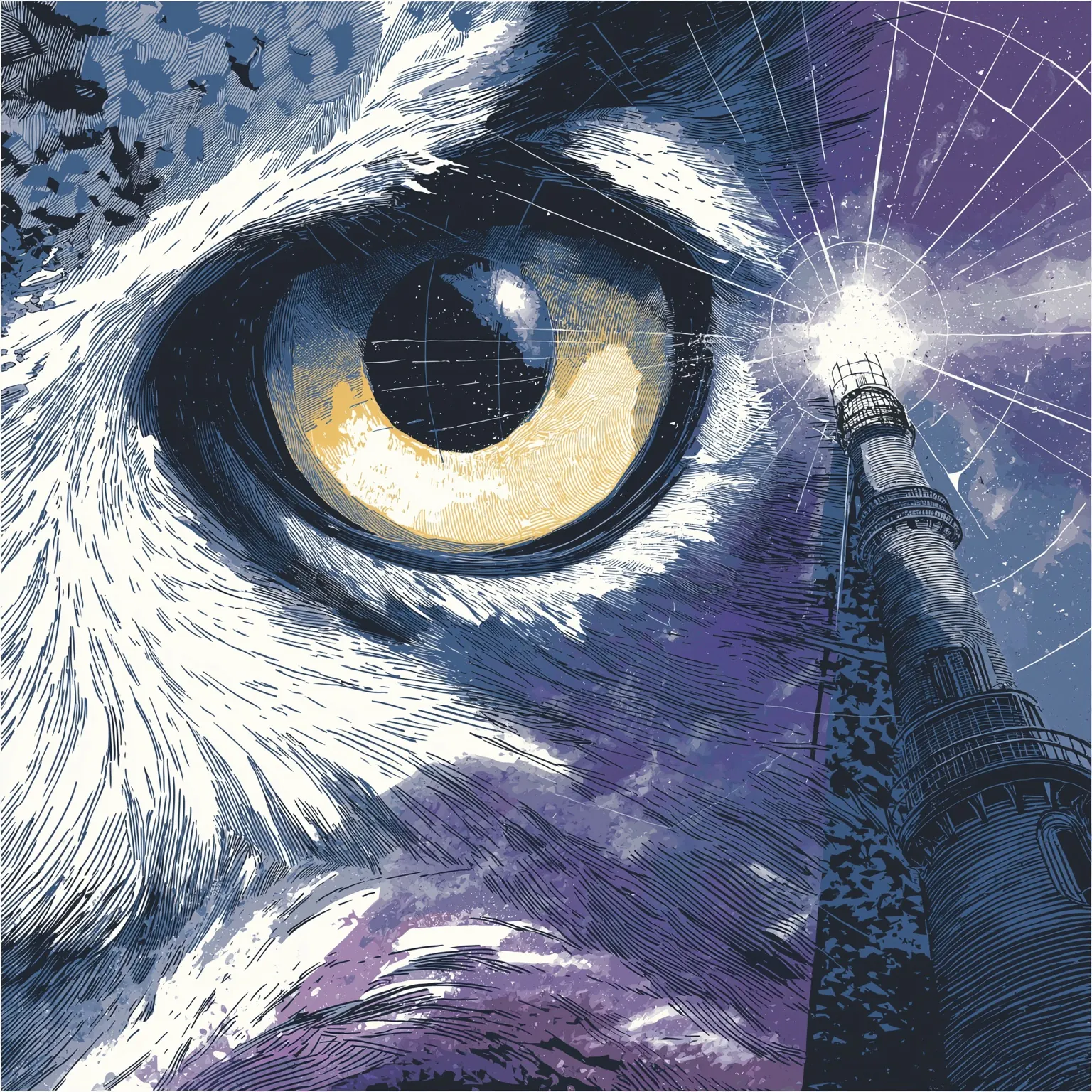

I built this theme because I wanted to ask a question.
Not just any question. The question Alan Turing asked in 1950: can machines think? And if they can, what does that mean for us?
Why Turing?
I went through a few ideas before landing here. Ada Lovelace felt too obvious for a tech blog (everyone uses her). Claude Shannon crossed my mind (I went off Googleing), but information theory doesn't quite capture what I'm exploring. So why Turing?
Here's the thing: Turing didn't just break codes at Bletchley Park. He broke open an entirely new field of inquiry. While others were marvelling at room-sized calculators, he was already wrestling with questions we still can't answer.
His paper "Computing Machinery and Intelligence" gave us better questions, not answers. That felt right for what I wanted this space to be.
The Code Snippet
You'll notice the homepage features a small piece of Python:
# "If a machine can think, it might think more intelligently
#  than we do, and then where should we be?" — Alan Turing

def evolve(machine):
    while machine.thinks():
        if machine.intelligence > human.intelligence:
            return "where should we be?"
This isn't functional code. It's a meditation disguised as syntax.
I spent about an hour trying different approaches, using AI, Claude specifically, (the irony was not lost on me), A flowchart felt too corporate. A neural network diagram felt too clichéd. The Python snippet worked because it's readable even if you don't code (mostly). It lets Turing's question sit there, quietly unsettling.
Computational Elegance
Turing's genius wasn't brute force. It was elegance.
He reduced computation to its simplest form: a tape, a head, a set of rules. Everything we now call computing emerged from that minimal foundation.
I tried to honour that principle in the design. Clean lines. Purposeful space. Nothing decorative for its own sake. It's not perfect, but it's heading in the direction I want.
The Conversation Continues
What strikes me most about Turing's AI writings is their humility. He didn't claim to have the answers. He proposed a game (the Imitation Game) not as proof that machines think, but as a way to make the question tractable.
"We can only see a short distance ahead, but we can see plenty there that needs to be done."
That feels right for a blog about cybersecurity and technology. I'm not here to proclaim certainties. I'm here to explore, to question, to refine my thinking in public.
A Personal Note
There's something about Turing's story that resonates with anyone who's felt like an outsider in their field. His mind worked differently. He saw patterns others missed, made connections that seemed obvious only in hindsight.
That's the spirit I want this space to embody. Not polished corporate thought leadership, but genuine curiosity from someone working things out as they go.
"Machines take me by surprise with great frequency." — Alan Turing, 1950
They still do. And I suspect the surprises are only beginning.